Creatine is widely studied and one of the most researched supplements in exercise science.
NIH-indexed research describes creatine supplementation as “one of the most studied and effective ergogenic aids for athletes.” This means it has been repeatedly investigated in hundreds of studies and consistently shows positive effects on physical performance and muscle adaptation.
2. Large bodies of evidence demonstrate creatine’s consistent effects.
Reviews and meta-analyses show that creatine supplementation increases strength, lean muscle mass, and high-intensity exercise performance across many controlled trials. Another NIH research article notes that creatine is one of the most studied and popular ergogenic aids for both athletes and recreational exercisers worldwide.
3. Beyond muscle, creatine has been researched for potential additional benefits, including cognitive effects and recovery, further expanding the breadth of scientific inquiry.
📘 NASM (National Academy of Sports Medicine) Evidence
4. NASM educational materials explicitly state that creatine is heavily researched
NASM refers to creatine as “a much-studied and versatile supplement” with benefits that extend beyond muscle performance into broader health and wellness applications.
5. NASM also notes creatine’s strong efficacy
Articles from NASM describe creatine monohydrate as currently among the most effective performance-enhancing supplements supported by scientific research, especially for high-intensity exercise and lean body mass gains.
📈 Why Creatine Stands Out Compared to Other Supplements
Creatine consistently shows positive outcomes across hundreds of randomized controlled trials, which is far more than most other supplements typically studied in exercise nutrition science. Meta-analyses and position stands (including from the International Society of Sports Nutrition) emphasize creatine’s extensive research base and safety profile over decades of study.
Creatine Monohydrate
Most studied, safest, and most effective Supports strength, lean muscle, power, and recovery Also shows benefits for brain health and cognitive function, especially as we age No need for fancy blends—this simple form works best
Best Quality Source to Look For
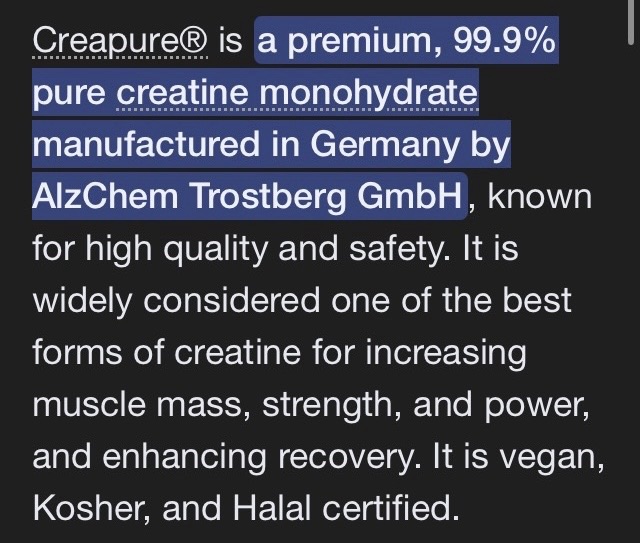
Creapure® Creatine Monohydrate (made in Germany)
This is widely considered the cleanest and highest-purity creatine available.
Why Creapure® stands out:
≥99.9% pure creatine monohydrate Pharmaceutical-grade manufacturing Tested for heavy metals, contaminants, and byproducts (like creatinine) No fillers, dyes, or additives Very gentle on the stomach
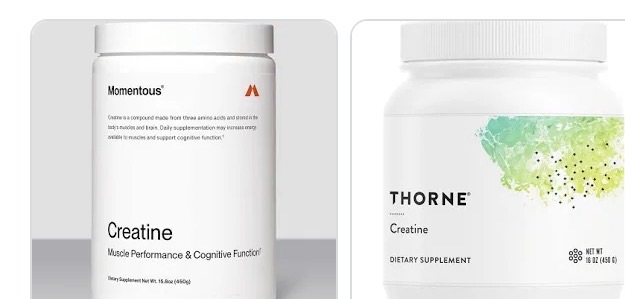
Trusted Brands Using Creapure®
Look for “Creapure®” clearly printed on the label (not just in marketing text):
Dose: 3–5 grams daily Timing: Any time of day (post-workout or with a meal is easiest) Loading phase: Not necessary Hydration: Drink water regularly—no need to overdo it
What to Avoid
“Creatine blends” with stimulants Creatine ethyl ester (less effective) Flavored versions with artificial sweeteners or dyes Mega-dosed pre-workouts that hide creatine amounts
Extra Note for Women / 40s+
Creatine is not a bulking supplement. It supports muscle tone, bone density, metabolism, and even mood and memory—especially helpful alongside Pilates and strength training.
Do you ever wonder: If CVS and Walgreens (convenience stores, grocery stores, etc) cared about our health, why they wouldn’t stock the shelves full of clean products?
Instead, ingredients in every single aisle are scientifically known to drive so many diseases- from ADHD, Asthma, Alzheimer’s, Dementia, Mental Health problems, and Cancers.
Sick People bring in Big bucks.
In-store vaccinations, flu shots, prescription medications, OTC medications, and retail bring in $372 billion in annual revenue in 2023–2024 Walgreens Boots Alliance reported approximately $147 billion in annual revenue, largely driven by retail pharmacy operations.
“They make money on the flu shots. Money on the flu shots when they fail. Money on the products bought when getting shots and scrips in store. And money on the diseases driven by the ingredients in the products people buy.”
Let’s look at some examples.
Top dangerous ingredients on the shelves with links to disease.
Formaldehyde and FRPs
Formaldehyde itself is rarely listed outright in personal-care products sold at major drugstores like CVS and Walgreens, but it often appears indirectly through formaldehyde-releasing preservatives. These ingredients are added to shampoos, conditioners, lotions, body washes, soaps, and cosmetics to prevent bacterial growth.
Common examples include: DMDM hydantoin, diazolidinyl urea, imidazolidinyl urea, quaternium-15, and sodium hydroxymethylglycinate.
While these names may look unfamiliar on a label, they matter because they slowly release small amounts of formaldehyde over time — meaning repeated daily use across multiple products can lead to ongoing exposure, even when “formaldehyde” itself is never listed.
Health authorities including the National Cancer Institute, American Cancer Society, and the World Health Organization classify formaldehyde as a known human carcinogen, with long-term exposure linked to cancers such as leukemia and cancers of the nasal and upper respiratory passages, particularly in occupational or chronic-exposure settings.
Vaccines and shots that may contain (residual) formaldehyde due to the manufacturing process (not as an active ingredient). *This phrasing is commonly used by CDC/FDA-aligned sources and vaccine ingredient disclosures:
-Influenza (flu) vaccines Some inactivated flu shots may contain trace residual formaldehyde used to inactivate the virus (varies by formulation and manufacturer).
–Hepatitis A vaccines (e.g., Havrix, Vaqta) Combination Hepatitis A & B vaccine (Twinrix)
–Hib vaccines (Haemophilus influenzae type b)
–Polio vaccines (IPV) Some meningococcal vaccines (e.g., Menactra, Menveo) Certain combination pediatric vaccines (e.g., Pentacel, Kinrix — depending on components)
At lower levels, which are more typical of consumer products, formaldehyde and its releasers are well-documented skin sensitizers, frequently associated with allergic reactions, eczema, dermatitis, eye irritation, and respiratory symptoms — especially in children and people with asthma or sensitive skin. Because these preservatives can be found across multiple everyday products, researchers and public-health experts increasingly emphasize the issue of cumulative exposure, where small amounts add up over time.
In response to growing concern, CVS has publicly committed to removing formaldehyde-releasing preservatives from many of its own private-label personal-care brands, though this policy does not apply to all national brands sold on its shelves.
Walgreens has made more limited or product-specific claims, meaning shoppers may still encounter these ingredients depending on the brand and product line.
As a result, consumers who wish to minimize exposure are encouraged to read ingredients!
Note: Walgreens and CVS heavily donate to American Cancer Society and American Heart Association. *Links to WHO (World Economic Forum) *Part III: What is the WHO and how far does their Global Power Reach. … to be continued …
Alzheimer’s, Dementia and Anticholinergics
When people talk about medications and Alzheimer’s risk, the most consistent scientific signal isn’t about pain relievers like Tylenol—it’s about a group of drugs called anticholinergics. These medications block acetylcholine, a brain chemical that plays a key role in memory, learning, and attention.
Large observational studies summarized by the NIH and the National Institute on Aging have found that the more anticholinergic exposure a person has over time—the higher the dose, the longer the use, or the more of these drugs taken together—the higher the associated risk of developing dementia.
Common Anticholinergic Medications (Condensed List)
What’s especially concerning is that this link has been seen even when the medications were used years before dementia symptoms appeared, suggesting the effects may be cumulative and long-lasting.
Anticholinergic drugs longer list
Prescription bladder medications are some of the most concerning anticholinergic drugs linked to dementia risk. Large, NIH-cited observational studies consistently identify antimuscarinic urinary medications—especially oxybutynin (Ditropan), and also tolterodine (Detrol), solifenacin (Vesicare), fesoterodine (Toviaz), and darifenacin (Enablex)—as having a strong anticholinergic burden. These drugs are often taken daily and long-term, which is exactly the exposure pattern associated with higher cumulative dementia risk. In several studies, bladder anticholinergics ranked among the highest contributors to anticholinergic cognitive burden, sometimes exceeding that of antidepressants or sleep aids.
Red 40 and ADHD
Red 40, also known as FD&C Red No. 40, is one of the most common artificial food dyes in the U.S., and it has raised particular concerns when it comes to children’s health. Some studies and anecdotal reports have suggested that Red 40 may exacerbate hyperactivity in children, particularly those with ADHD, and may contribute to behavioral issues. While the research is ongoing, concerns about artificial colorants have prompted some countries to require warning labels, and some parents opt to avoid it altogether.
Examples of products at CVS that list Red 40 include CVS Health Chewable Low Dose Aspirin (cherry flavor), Children’s Liquid Pain Reliever (berry flavor), Skittles Sour candies, Red Vines Red Ropes, and some AZO Urinary Tract Defense tablets.
Checking ingredient labels remains crucial, as formulations can vary.
Titanium Dioxide
Titanium dioxide is still widely used in the United States across foods, dietary supplements, medications, and personal-care products, despite offering no health benefit beyond cosmetic appeal.
It is added to make products look brighter, whiter, or more visually uniform — from candies and chewable tablets to vitamins, toothpaste, sunscreens, and makeup.
In many cases, consumers ingest or apply titanium dioxide daily without realizing it, as it often appears on ingredient labels under technical names such as titanium dioxide or CI 77891.
The concern is not its appearance, but its behavior in the body: titanium dioxide particles, particularly very small or nanoparticle forms, may persist in tissues and interact with cells in ways that are not fully understood.
Europe Bans Titanium Dioxide in 2022
These concerns prompted a decisive regulatory action in Europe in 2022, when the European Union formally banned titanium dioxide (E171) as a food additive. Following an extensive scientific review, the European Food Safety Authority (EFSA) concluded that titanium dioxide “can no longer be considered safe” for use in food because of unresolved concerns about genotoxicity — the potential to damage DNA. Crucially, EFSA determined that it was not possible to establish a safe daily intake level, meaning regulators could not confidently say that any amount consumed over time was without risk.
As a result, titanium dioxide was removed from foods sold across the EU after a transition period, reflecting a precautionary approach to long-term health protection.
The EU’s decision highlights a growing regulatory divide between Europe and the United States. While Europe moved to eliminate titanium dioxide from foods based on scientific uncertainty alone, U.S. regulators continue to allow its use not only in foods, but also in medications, supplements, and topical products, where exposure may be repeated and cumulative. For consumers, this raises important questions about why an additive deemed unsafe for ingestion in one advanced regulatory system remains commonplace in another — and whether visual appeal should outweigh unresolved concerns about long-term biological effects. The continued presence of titanium dioxide in everyday products underscores the need for greater transparency, updated risk assessments, and a closer examination of whether precautionary principles should play a larger role in U.S. consumer safety standards.
Arsenic
Examples of candies where detectable arsenic was reported in that testing include:
Black Forest Gummy Bears Laffy Taffy Banana Nerds (grape and strawberry) SweeTarts Trolli Sour Brite Crawlers Jolly Rancher hard candies Twizzlers Kit Kat, 3 Musketeers, Snickers Skittles, Sour Patch Kids, Swedish Fish Tootsie Rolls and fruit chews Some Smart Sweets varieties.
Other Dangerous Ingredients:
Sucrolose
Sucralose (Splenda): Definition, Microbiome Impact, and Where It’s Found
What is Sucralose?
Sucralose is a high-intensity artificial sweetener derived from sugar (sucrose). It is approximately
600 times sweeter than sugar and is widely used to provide sweetness with little to no calories. It is commonly marketed under brand names such as Splenda and is approved for use by regulatory agencies including the FDA.
Primary Health Concern: Impact on the Gut Microbiome
The most consistently cited concern with sucralose is its effect on the gut microbiome. Research suggests that non-nutritive sweeteners may alter the balance and function of gut bacteria, which play a key role in metabolic health, immune regulation, and hormone signaling.
Potential Effects Observed in Studies:
• Changes in gut bacteria composition and activity
• Reduced insulin sensitivity in some individuals after regular exposure
• Impaired glucose tolerance linked to microbiome alterations
These microbiome changes may contribute to blood sugar instability, increased cravings, weight-loss resistance, and inflammation—particularly relevant for individuals with insulin resistance or hormonal transitions such as perimenopause.
Where Sucralose Is Commonly Found (CVS & Walgreens-type Retailers)
Drinks & Beverages
• Diet and zero-sugar sodas
• Sugar-free energy drinks
• Zero-sugar flavored waters
• Ready-to-drink iced teas and coffees labeled “no sugar”
Drink Mixes & Hydration Products
• Zero-sugar electrolyte powders and sticks
• Flavored hydration packets
• Pre-workout and powdered drink enhancers
Protein Bars, Shakes & Powders
• Protein bars marketed as low sugar, keto, or diabetic-friendly
• Ready-to-drink protein shakes
• Flavored protein powders (unflavored versions are less likely)
• Some liquid and chewable over-the-counter medications
Hygiene & Oral Care Products
• Toothpaste formulations
• Mouthwashes and whitening products
(Sucralose is used to improve taste, not for nutritional value.)
Quick Label-Scanning Tip
Look for “sucralose” in the ingredient list. Products labeled “zero sugar,” “high protein,” “keto,” or
“diet” have a high likelihood of containing it unless otherwise specified.
Bottom Line
While sucralose is permitted by regulatory agencies, growing evidence suggests it may not be biologically neutral—especially with regular, long-term consumption. Its potential impact on gutbacteria and metabolic signaling makes moderation and label awareness especially important.
To wrap it up, the foot traffic and patrons consuming in-store products from beauty, food, beverage, hygiene, and health. Could it be intentional that they are stalking their shelves with medications and products that are driving people to need MORE prescriptions and medications? To have weakened immune systems, mental health issues, brain diseases and cancers?
For the $150 billion per year in profit, the revenue is between 10 and 15% according to sources.The foot traffic and patrons consuming in-store products from beauty, food, beverage, hygiene, and health.
Could it be intentional that they are stocking their shelves with medications and products that are driving people to need MORE prescriptions and medications? To have weakened immune systems, mental health issues, brain diseases and cancers?
CVS and Walgreens: Health Care, Profit, and the Flu
Shot Economy
CVS Health and Walgreens Boots Alliance are healthcare companies, but they are also publicly traded, profit-driven corporations. That reality alone is not a moral judgment—it is a business fact. Their core model is built around serving people who are sick, managing chronic conditions, or attempting to prevent illness. When emotion is removed, the underlying truth is simple: they profit from illness and health-related services because that is the market they operate in.
Scale and Profitability
The scale of these companies is significant. CVS Health reported roughly $372 billion in annual revenue in 2023–2024 across retail pharmacy, insurance (Aetna), pharmacy benefit management, and clinical services. Walgreens Boots Alliance reported approximately $147 billion in annual revenue, largely driven by retail pharmacy operations. Pharmacy services—prescriptions, vaccinations, and insurer-reimbursed care—remain central to both businesses.
Flu Shots: Uptake and Public Funding
During the 2023–2024 flu season, about 47 percent of Americans received a flu vaccine. Pharmacies administered roughly half of all adult flu shots, making CVS and Walgreens the two largest private distributors. Most flu shots are not paid for out of pocket; Medicare, Medicaid, and private insurers cover administration as preventive care. Pharmacies are reimbursed, typically $30–$60 per dose, with higher amounts for senior formulations.
Medicaid and Government Reimbursement
While CVS and Walgreens do not publicly disclose Medicaid revenue as a standalone figure, industry data suggest Medicaid accounts for roughly 10–15 percent of retail pharmacy volume. When extrapolated nationally, this represents tens of billions of dollars annually across prescriptions and clinical services, including vaccinations. The flu shot itself is often low-margin, but it strengthens insurer relationships and drives store traffic.
Two Flu Vaccines, Two Risk Profiles
Most flu shots are injectable and contain no live virus. However, the nasal spray vaccine (FluMist) is a live attenuated influenza vaccine. It contains a weakened virus, is approved only for limited age groups, and can shed virus at low levels shortly after administration. Despite this distinction, public reporting does not break down how many live nasal vaccines are administered each season.
Effectiveness and Outcomes Flu vaccine effectiveness varies widely by year and strain match, generally ranging from 10 to 60 percent. Vaccination does not guarantee protection, nor does it stop transmission. During the same season, the U.S. still saw approximately 40 million flu illnesses, 470,000 hospitalizations, and 28,000 deaths—most involving significant comorbidities such as cardiovascular disease, diabetes, obesity, advanced age, and vitamin deficiencies, particularly vitamin D.
The Double Revenue Effect
There is an additional economic reality worth noting. When the flu vaccine does not prevent illness, pharmacies profit again—this time from over-the-counter cold and flu medications. The same vaccination campaigns that drive people into stores for shots also drive return visits when people become sick, increasing foot traffic, retail sales, and prescription fills. In effect, pharmacies benefit both from administering the flu shot and from treating the illness when the vaccine does not work.
Caveat that the pharmaceuticals are necessary, life-saving, life-changing. Within the realms of the dark side of the pharmaceutical industry, agreed that comes with it. Yes, it is true – pharmaceutical companies is developing cures and means to make people suffering more comfortable, yes, that is true.
Are they also forcing issues and then forcing the cure? Are they creating cures for disease diseases they are causing.? Side effects from other meds and unhealthy food industry ? 💯⚖️
Medicaid Whistleblowers and the Profits of Private Health Boards
JESSICA S
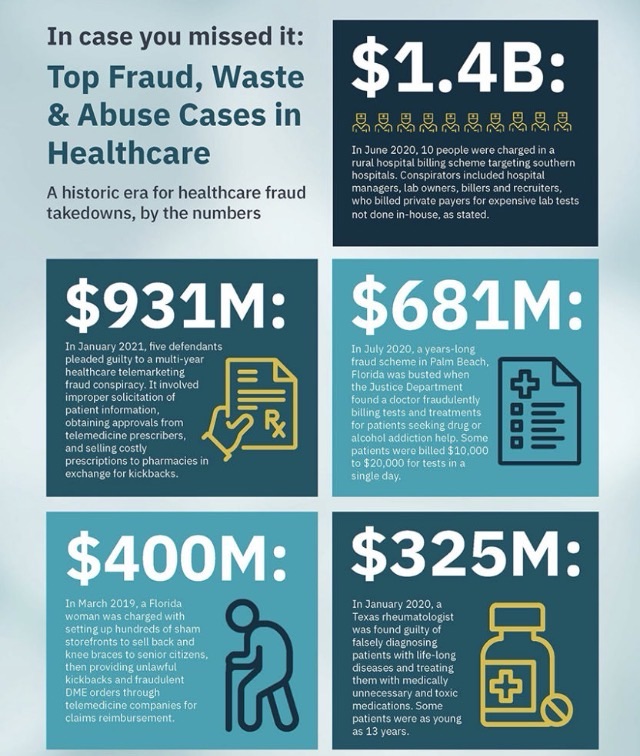
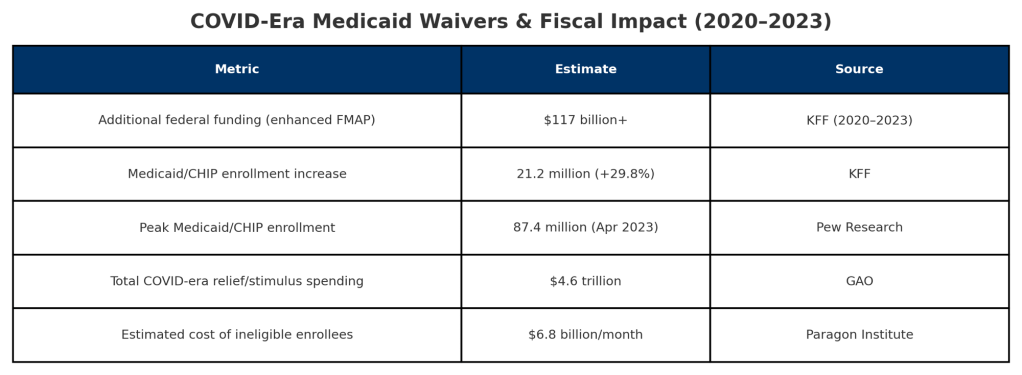
In recent weeks, multiple whistleblowers from states like Minnesota and Maine have come forward, revealing concerning instances of Medicaid fraud. According to recent local reports, these whistleblowers have highlighted how millions of tax dollars, intended for Medicaid recipients, may have been misappropriated by certain private companies.
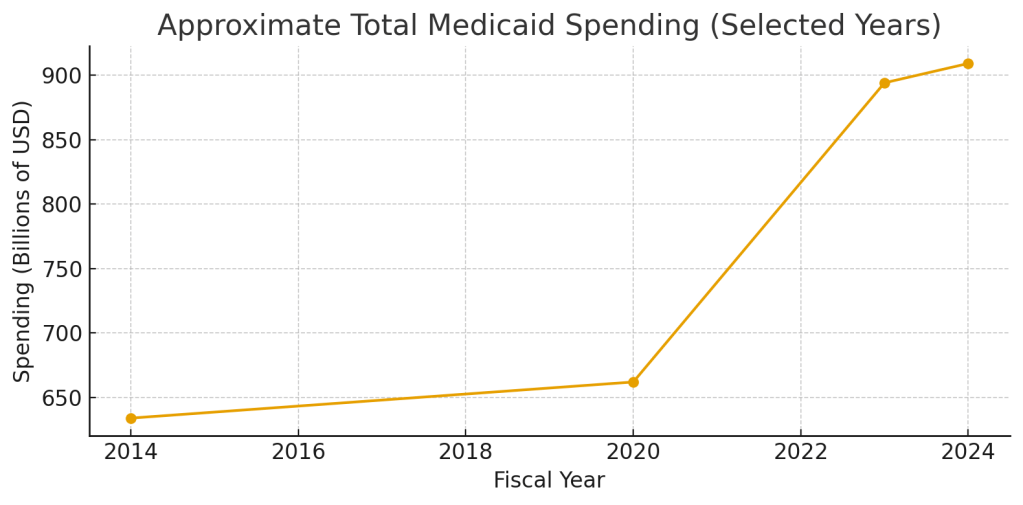
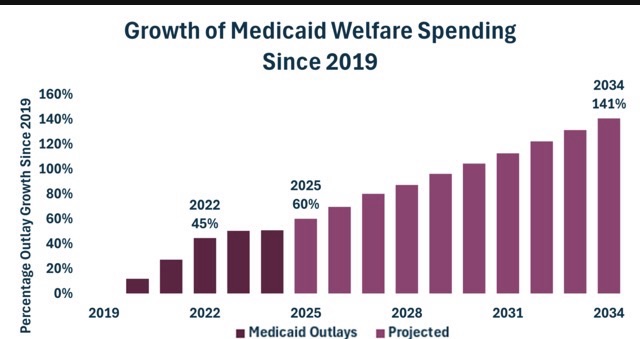
Medicaid fraud across the country cost taxpayers billions and billions of dollars each year. And we can see a year to year. increase.
The taxpayer overall price tag for Medicaid (including fraud by providers and users) climbed by roughly a quarter-trillion dollars in about a decade: • 2014: ≈ $630B • 2020: $662B+ • 2022: ≈ high $800Bs • 2023: $894B • 2024: $909B
Across the U.S., it’s estimated that billions of taxpayer dollars flow from Medicaid into private insurers each year, raising important questions about oversight and accountability. MCOs (Managed Care Organizations) are private companies that contract with the state to provide healthcare services to Medicaid beneficiaries.
One significant aspect of this issue is the role of political figures’ relatives, and people from the government sitting on the boards of these private health companies. For example, Chelsea Clinton served on the board of Clover Health from early 2017 to late 2025.
During her tenure, her total compensation, including stock options and bonuses, reportedly reached into the multi-million-dollar range, with estimates of her net worth ranging from $30 million to $70 million according to Clover Health board compensation reports, 2024.
It’s also important to note that the CEO of Clover Health, like many healthcare executives, has also earned substantial compensation. In some years, this has amounted to well over $10 million, underscoring the significant profits that can be involved in these arrangements.
Another board member, Demetrios Kouzoukas, has quite a notable background. Before he joined the Clover Health board in 2021, he was deeply involved in government healthcare roles. He served as the Director of the Center for Medicare and Principal Deputy Administrator at the Centers for Medicare & Medicaid Services from 2017 to 2021. Before that, he held a senior executive role at UnitedHealthcare, focusing on legal and regulatory affairs, and earlier in his career, he worked at the U.S. Department of Health and Human Services. So he definitely brought a lot of public-sector healthcare policy “experience” with him when he transitioned to the private sector.
Right now, Clover Health’s valuation is estimated to be around $1.3 billion.
In addition to Clover Health, several other large private companies are major players in the Medicaid landscape. As of 2024, the top private companies receiving Medicaid funds include: Centene Corporation, CVS Health, Elevance Health, Molina Healthcare, and UnitedHealth Group.
Collectively, these companies account for about half of the Medicaid managed care enrollment nationwide. Each of them operates Medicaid managed care organizations in numerous states, serving millions of beneficiaries and illustrating the extensive involvement of private firms in the Medicaid market.
This competitive field also includes various nonprofit organizations, ensuring a diverse range of Medicaid service providers . Source KFF and Reuters 2024.
2024 Annual Profits: -UnitedHealth Group made about $23.14 billion -Elevance Health around $6.03 billion -Cigna about $3.43 billion -CVS Health around $4.17 billion -Molina Healthcare about $79 million -Centene had a loss of about $6.6 billion that year.
For many Medicaid recipients, choosing a private company can offer several advantages. Private insurers often provide additional benefits that go beyond standard Medicaid coverage. These might include extra services like dental, vision, hearing, wellness programs, or enhanced care coordination.
Additionally, some private Medicaid plans offer more flexibility in choosing providers or access to a broader network of specialists. This can lead to a more personalized and convenient healthcare experience, which is particularly valuable for individuals with complex or chronic health needs.
Overall, these added benefits can make private Medicaid plans an appealing choice for many recipients [source: Medicaid.gov and KFF, 2024].
Lois Quam, who previously held leadership roles in public health initiatives, joined Relevance Health’s board and has an estimated net worth of approximately $5 million.
Michael Neidorff, who led Centene and was involved in public health advisory roles, has a net worth estimated at over $100 million.
These individuals illustrate how former regulators and public health leaders often move into influential private sector positions, shaping the intersection of public policy and corporate strategy [sources: OpenSecrets, KFF, Reuters, 2024].
While private Medicaid plans offer certain advantages, they are not without their criticisms. One of the most common complaints from Medicaid recipients is the limited network of providers. Some users find that they have fewer choices when it comes to doctors or specialists, and they may need to travel further for care.
They may use processes like prior authorization or medical necessity reviews to decide whether a certain treatment or service is covered. While this can help control costs and ensure that funds are used efficiently, it can sometimes lead to denials that feel frustrating for patients. In other words, the drive to maintain a profit margin means that companies must balance providing care with keeping costs under control, and that can sometimes result in coverage decisions that not everyone agrees with [source: Medicaid.gov and KFF, 2024].
Is there an ethical concern if they can shape policy in the public sector?
Also… Note the dollars they kick back to lobbyists, politicians, and political parties.
Here is a quick rundown: UnitedHealth Group’s PAC gave about $4.47 million to federal candidates recently, and they spent around $7.5 million on lobbying.
Elevance Health’s PAC contributed roughly $21.8 million to state campaigns in that broader timeframe.
Are they lobbying for the best for their Medicaid clients, or their bank accounts?
Another frequent issue is the prior authorization process, which can cause delays in receiving treatments or medications.
Additionally, there are sometimes concerns about coverage denials or changes in covered services that can create uncertainty for beneficiaries.
These challenges highlight the complexities and sometimes frustrating aspects of navigating private Medicaid plans.
One key question is how these private companies can sometimes deny services to their clients (the Americans who have paid into it) while still aiming for a profit.
Essentially, these companies operate within certain guidelines and cost controls to manage their budgets.
This dynamic inevitably raises concerns about conflicts of interest. When board members of private companies stand to earn millions or even billions of dollars, they are in a position to influence decisions that may prioritize profitability over patient access.
This means they have the authority to deny or approve certain healthcare services, creating a tension between the company’s financial goals and the healthcare needs of the citizens they serve.
As a result, there are ongoing debates about how to ensure that patient care remains the top priority in a system where financial incentives also play a significant role [source: KFF and Reuters, 2024].
Let’s not forget, one of the foundational arguments that built this country was because of “Taxation without Representation.”
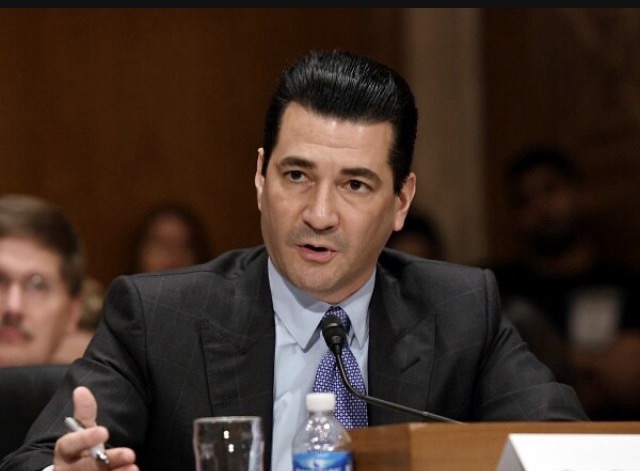
It is also worth noting the specific roles these former public officials have played in shaping massive policies that impacted all of our lives, for the personal gain of massive amounts of individual wealth. Dr. Scott Gottlieb, for instance, served as the FDA Commissioner from 2017 to 2019 and was a prominent voice during the COVID-19 pandemic.
After leaving the FDA, he joined both UnitedHealth Group’s and Pfizer’s boards. He played a significant role in vaccine strategy and was associated with content moderation efforts on social media platforms.
Gottlieb pushed to censor socials media platforms including Twitter/X, Meta, etc on information that they knew and that has come out and been proven to be wrong in order to push the failing COVID-19 shot and masks.
Newsmax.com Scott Gottlieb Congressional Hearing
His net worth is estimated to be in the multi-million dollar range, reflecting his extensive roles in both public service and the private sector.
In summary, the involvement of former public officials like Dr. Scott Gottlieb, Lois Quam, Michael Neidorff, Demetrios Kouzoukas, Chelsea Clinton, in these private health company boards highlights a significant intersection of public policy and private profit. As these companies receive substantial funding through Medicaid, driven by taxpayer dollars, they also channel millions into political donations and lobbying.
This creates a cycle where public funds flow into private coffers, and those private entities, in turn, wield significant influence over both the healthcare landscape and the political arena.
The resulting conflict of interest is clear: the more these companies profit, the more they can invest in shaping policies that further their financial interests, potentially at the expense of the very patients and taxpayers funding the system.
By Jessi Sandfort Rogue Journalism😚🙃
Next Article
Next Up for Me: Who is Scott Gottlieb and why isn’t the Public Bothered?
A Comparison of Wealth, Taxation, and Freedom Between Sweden, Socialist Systems, and the United States
Byline:
By Jessica Freedom — An American Perspective on Freedom and Economics
Background suggestion: American flag + parchment texture
SLIDE 2 — Introduction
Socialism is often sold as “fairness” or “equity.” Sweden is commonly used as a model — but falsely. America’s size, population, diversity, and economy make socialism unworkable. Historical examples show socialism always collapses into control and corruption.
SLIDE 3 — Size & Population Comparison
United States:
347 million people Massive geographic and demographic diversity
Sweden:
10.7 million people 22 times smaller landmass Highly homogeneous population
Key point:
Scale alone makes the systems incomparable.
SLIDE 4 — Demographic Differences
Sweden:
Historically 90%+ ethnic Swede Low immigration until 2015 Aging, uniform population
United States:
One of the most diverse nations on earth Multiple cultures, economies, and income structures
Conclusion:
A one-size-fits-all welfare model is impossible here.
SLIDE 5 — Taxation Comparison
Sweden’s Tax Structure:
~55% effective tax burden for typical workers Municipal tax + national income tax High VAT on goods and services
United States:
~25% effective income burden Encourages entrepreneurship and generational wealth
Takeaway:
You cannot generate wealth when the government takes most of it.
SLIDE 6 — Generational Wealth
U.S. is entering the largest wealth transfer in history: $68–$84 trillion Swedish estates are smaller due to decades of taxation Lower U.S. taxation allows middle class to accumulate assets Wealth compounds when people keep their earnings
SLIDE 7 — Government Waste & Corruption
U.S. taxpayers asked to pay more while: Massive federal fraud, waste, and mismanagement DOJ + IG reports highlight billions lost Tax dollars sent overseas for questionable programs “Equality” is impossible when government leaks money at the top.
SLIDE 8 — Immigration Policy Comparison
Sweden:
Once open-border champion After 2015 crisis → severe tightening 2024: 9,645 asylum applications 17,015 orders to leave 9,910 deportations Strict enforcement restored stability
U.S.:
Chaotic, politicized border Millions crossing illegally Identity and security concerns
SLIDE 9 — Impact of Illegal Immigration on U.S. Taxpayers
Millions of non-contributors receiving taxpayer-funded benefits Equivalent to adding two entire Swedens Strain on hospitals, schools, housing, welfare Every dollar spent here is taken from veterans, elderly, disabled, and homeless citizens
Pull quote:
“Every dollar spent on illegal entry is a dollar stolen from the veterans and citizens who earned it.”
SLIDE 10 — Sweden’s Emigration Problem
2024: first time in 50+ years Sweden had net emigration Declining social benefits Lower economic opportunity Rising safety and integration challenges
SLIDE 11 — Socialist Rhetoric Returning to U.S. Politics
Zohran Mamdani quoted socialist icon Eugene V. Debs Debs pushed wealth redistribution & state control Modern “equity” and “social justice” rhetoric mirrors Debs’ ideology Millionaire politicians preaching equality while living elite lifestyles
SLIDE 12 — The Myth of “Economic Democracy”
Sounds noble — but means state control of production When government takes 50–70% of income, wealth creation dies Socialism produces dependency, not empowerment Democracy cannot survive without economic freedom
SLIDE 13 — The Unsustainable Burden
Millions entering U.S. illegally → zero tax contribution Yet receive federal, medical, housing, and educational benefits Impossible model: taxpayers pay more while government loses money through fraud & mismanagement Middle class collapses under the weight
Venezuela — hyperinflation, starvation Soviet Union — mass repression, economic failure Maoist China — famine, Cultural Revolution Cuba — permanent poverty Nazi Germany — total state control → destruction
Pattern:
Socialism begins with equality and ends with control.
SLIDE 15 — How Socialism Uses the Youth
Hitler Youth Mao’s Red Guards Castro’s student revolutionaries Modern socialist movements target college-age activists Youth become the emotional army — then lose rights later
SLIDE 16 — The Irony of Accusations
Socialists accuse others of being “Nazis” or “fascists” But actual dictatorships came from centralized socialist or collectivist control The ones shouting “fascism” are the ones pushing censorship and disarmament True hypocrisy exposed
SLIDE 17 — Conclusion: The Final Truth
No socialist model has ever succeeded Socialism always leads to: Loss of freedom Economic collapse Government corruption Disarmed, silenced citizens America must never follow this path Freedom, critical thinking, and constitutional rights must be protected
SLIDE 18 — About the Author
Jessica Freedom
Writer & mother of three
Dedicated to American values, freedom, and preserving the democratic republic and Constitution.







 Live Life Free